
Oil Change & Maintenance
Gatesville Oil Changes & Maintenance
Staying on top of maintenance is the cheapest insurance your vehicle has. Oil changes, tire rotations, filters, and the rest of your schedule — handled by people who'll tell you what's due and why.
Know the Signs
When It's Time for Service
Your car has ways of letting on when service is coming due. Here's what to keep an eye on.
Maintenance Light Is On
The maintenance or oil-change reminder has lit up on your dashboard.
Overdue on the Window Sticker
The mileage or date written on your last oil change sticker has already passed.
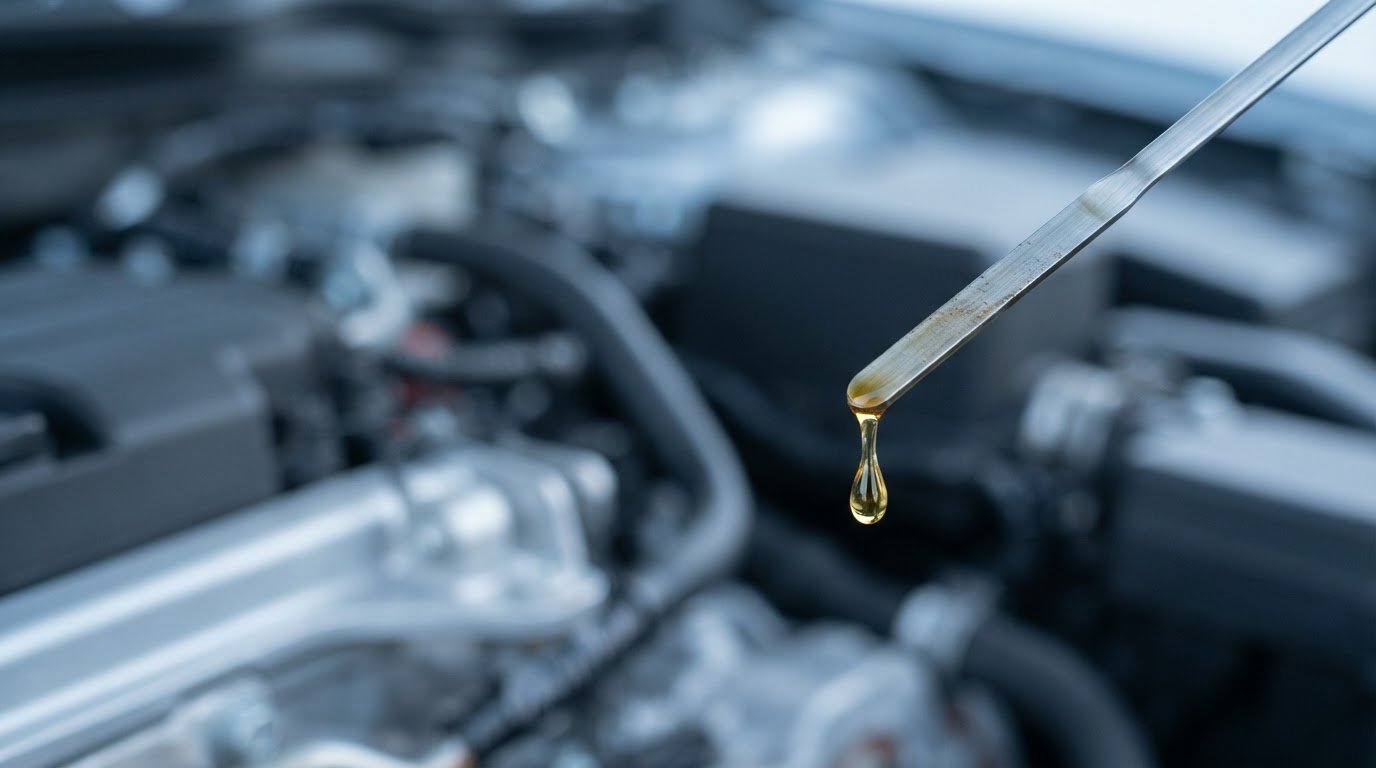
Dark or Low on the Dipstick
The level on the dipstick is low, or the oil itself looks dark and full of grit.
Picked Up a Nail
A tire keeps bleeding off air, or there's a nail or screw visible in the tread.
Fronts Wearing Faster
One end of the car is wearing its tires faster than the other — fronts before rears, or the reverse.
Engine Running Rough
The engine runs rough at idle, stumbles under acceleration, or just feels down on power.
What We Do
Routine Work, Done on Time
The routine upkeep that keeps a vehicle dependable over the long run.
Oil Changes
Clean oil and a fresh filter, picked to match your vehicle's spec.
Tire Rotation
We shift each tire to a different corner so the whole set wears evenly and holds up longer.
Tire Repair
Picked up a nail? We'll give it to you straight — whether a repair will hold or it's time for a new tire.
Air Filters
A dirty air filter chokes off airflow and makes the engine work harder. We'll inspect it and swap in a new one when it's past due.
Tune-Ups
The scheduled engine upkeep your vehicle calls for, handled the right way.
Preventative Maintenance
Keeping on top of your maintenance schedule is what keeps minor issues from turning into big ones.
How It Works
How Maintenance Goes Here
We Look Up What's Due
We check your odometer against what your vehicle's service schedule lays out.
We Walk You Through What We Found
We lay out what needs attention today, what's on the horizon, and what's still in good shape.
Then We Talk Choices
We spell out what's urgent and what can ride, in plain terms, so you have a clear picture of where your vehicle is at.
Ask Us Anything
Ask us anything. We'd rather you understand the work than simply hand over the keys.
Local Knowledge
Why Most Local Driving Counts as "Severe Service"
Nearly every owner's manual lays out two service intervals: one for normal use and one for severe use. The word "severe" tends to make drivers gloss right over it. Yet the conditions that trigger it — stop-and-go driving in hot weather, long highway runs in summer heat, and dusty or gravel roads — are exactly what a lot of local driving looks like.
That's a regular week around here. Whether it's a commute down FM 116 to Fort Cavazos, running US 84 to Waco, or taking county roads out to the ranch, the heat and the dust add up. Plenty of drivers around Coryell County fit the severe schedule without ever realizing it.
No need to guess which one applies to you. Look up the severe-service interval in your owner's manual, or swing by and we'll help you match the right schedule to the way you really drive.
Why The Tire House
Why Drivers around Gatesville pick us
The Waco family, here too
The same crew that runs The Tire House in Waco runs this Gatesville shop. You get the same straight talk and the same fair deal.
You sign off on the price
Nothing gets added to your ticket without your say-so and a number you agreed to. The price you hear is the price you pay.
Family-run
We're a family shop, rooted here in Coryell County. Pick up the phone and you're talking to folks who drive these same roads.
ASE-Certified Technicians
The techs who work on your car or truck at our Gatesville shop are ASE-certified, so the job is done by trained hands.
Maintenance FAQ
Maintenance Questions, Answered by a Local Shop
Your owner's manual is the starting point, and it typically lays out two intervals: one for normal service and one for severe. Hot-weather stop-and-go traffic, highway hauls in the summer, and dusty or gravel roads all count as severe — and that's a fair description of everyday driving around Gatesville. If your trips fit that description, go by the severe interval. If your car has an oil life monitor, let that steer you too.
On most late-model vehicles, not as a blanket rule. Today's engines and oils can stretch longer between changes when conditions are normal. The catch is that many owner's manuals still list a shorter severe-service interval, and stop-and-go driving in hot weather is one of the things that lands you on it. Match the interval to your manual, and follow the schedule that fits how you really drive.
If the manual specifies synthetic, then yes. Plenty of newer engines are engineered around a particular synthetic grade, and running the wrong one can cost you the protection the engine was designed for. If your manual permits conventional oil, synthetic is still worth a look when your driving is tough on oil — extreme heat, towing, or mostly short trips. Whichever way you go, stick with the viscosity grade your vehicle calls for.
A lot of newer cars carry an oil life monitor that estimates how much usable life is left in the oil based on your driving habits — things like engine temperature, trip length, and engine rpm. On most vehicles it isn't sampling the oil itself; it's running a calculation. When that number runs low, it's time for a change. After the change, the monitor has to be reset so it begins counting from scratch again.
Oil degrades over time, and heat plus stop-and-go driving speed that up. Oil that's past its useful life doesn't protect the engine as well, and over time it can turn to sludge that chokes off flow inside the motor. That wear creeps up slowly and it's costly to put right. A routine oil change runs far less than the engine damage it wards off.
Check your owner's manual for the interval your vehicle calls for. Because the front and rear tires wear at different rates, rotating them puts each one in a fresh spot so the full set wears evenly. For a lot of drivers, tying rotations to oil changes is the simplest way to keep them from slipping through the cracks.
Usually, yes, as long as the puncture is in the right place. Industry guidelines cap repairs at quarter-inch punctures in the tread area. A puncture in the sidewall or shoulder can't be fixed safely, and a tire that's already worn down can't either. If you spot a nail, leave it where it is and bring the tire in — yanking it out can turn a slow seep into a flat.
Look up the interval in your owner's manual, and bear in mind that dusty or gravel roads can cut it short. A plugged-up air filter makes the engine strain to pull in air. It's a quick check during an oil-change visit, and it's plain to see — a filter coated in dirt and debris is past due.
Not the way the older ones did. Today's engines don't call for the old-style adjustments, and a lot of spark plugs now last far longer than they used to. These days a tune-up typically means taking care of the items your maintenance schedule lists for your mileage — plugs, filters, and inspections. If the engine runs rough or feels down on power, have it checked out regardless of whether anything's due.
No. The federal Magnuson-Moss Warranty Act bars a dealer or manufacturer from voiding your warranty or turning down a claim just because an outside shop handled your routine maintenance. Independent shops can do oil changes, tire rotations, brake pad swaps, and other everyday service. What matters is sticking to your vehicle's maintenance schedule and holding onto your receipts and service records, whoever does the work.
It often does. If your week includes commuting down FM 116 to Fort Cavazos, running US 84 toward Waco, or taking gravel county roads out to the ranch, your owner's manual likely puts you on the severe schedule — which means shorter oil change intervals. Dusty gravel roads clog air filters faster too. Tell us how you actually drive and we'll help you figure out which schedule fits.
Got a maintenance question we didn't get to? Ring us at (254) 230-0360 — we're glad to walk you through it, whether or not you end up buying from us.
Keep It on Schedule.
Keeping up with routine service is what keeps a solid vehicle solid. Pick up the phone and we'll help you stay on top of it.
Serving Gatesville & Central Texas