
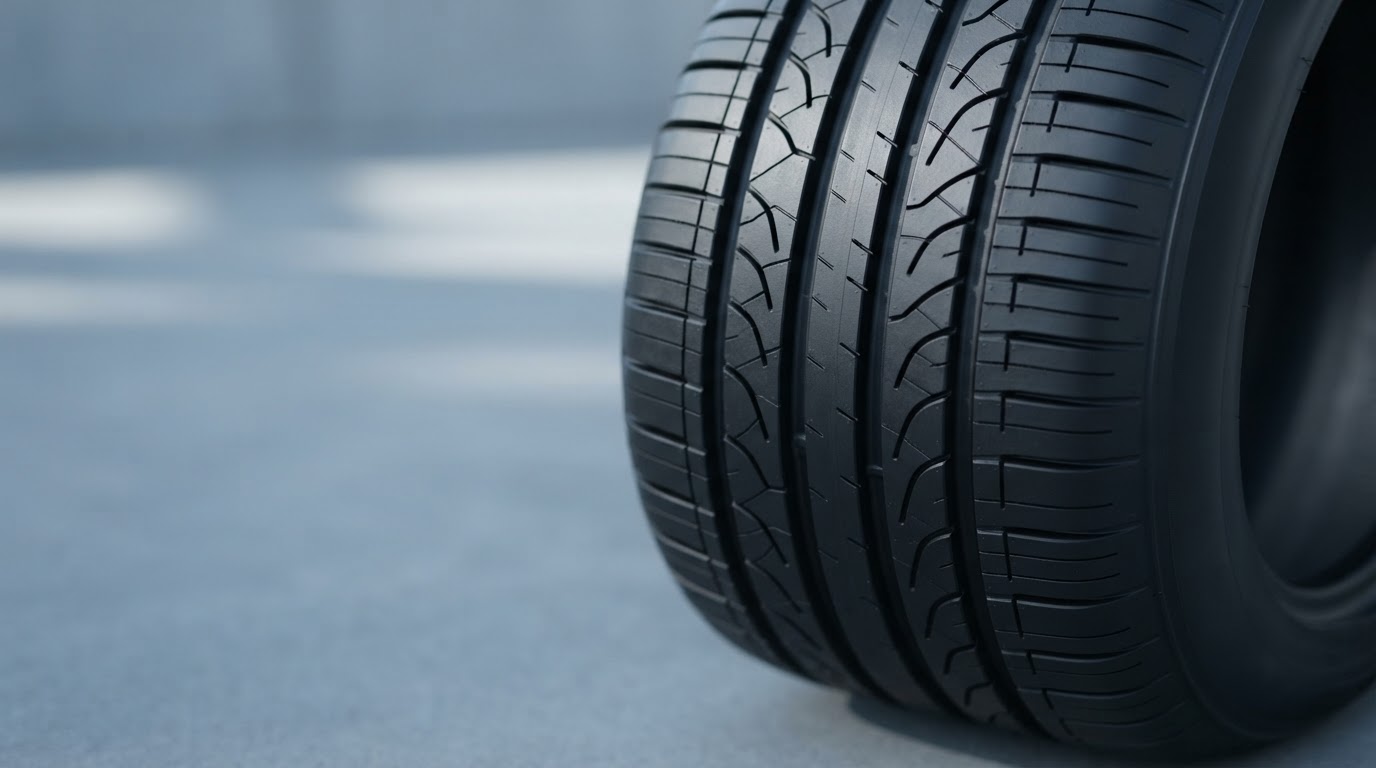
Sedan Tires
Car & Sedan Tires in Gatesville
Quiet, comfortable, long-wearing tires for the car you drive every day. We'll match tires to your sedan, your commute, and your budget, with honest advice from a family-owned shop that serves Gatesville.
Signs It's Time
When Your Sedan Is Due for Tires
Your car tends to give you a heads-up when it's time. Here's what to keep an eye out for.
Growing Road Noise
A hum or roar that keeps building can point to tread that's worn down or wearing unevenly.
Shake at Highway Speed
A shimmy in the wheel or the seat once you're up to speed can signal tire wear or a balance issue.
Slipping on Wet Roads
If the car feels less planted when it rains, your tread may be too shallow to channel water away.
Cracked or Bulging Sidewalls
Sidewall damage weakens the tire. Get it checked out right away.
Tire Types
The Right Tire for the Way You Drive
All-Season
The go-to everyday choice: a balance of tread life, wet grip, and ride comfort.
Touring
All-seasons dialed in for a quieter, smoother ride and often more tread life. A commuter's pick.
Grand Touring
Comfort paired with sharper handling for sportier sedans.
Fuel-Saving
Low rolling-resistance tires that take less effort to roll, helping stretch your gas mileage.
How It Works
How We Help You Pick
Describe Your Driving
Your daily commute, your road trips, and what you care about most: quiet, tread life, or price.
We Match Your Size & Load
We pull up your size, load index, and speed rating so every option we show fits your car safely.
Choices, Side by Side
You'll see choices across a range of price points, and we'll walk you through the tradeoffs in plain terms.
Mounted, Balanced, Checked
We mount your tires, check over your tire wear and suspension, and flag it if an alignment is warranted.
Local Know-How
Sedan Tires for Central Texas Miles
Plenty of sedans around Gatesville rack up highway miles — running TX 36 down toward Temple, up US 84 toward Waco, or just making trips back and forth across town. Steady miles like those suit a tire with solid tread life and a quiet, comfortable ride.
A sudden Central Texas storm can slick up dry pavement in no time. As you compare tires, the traction grade on the sidewall is a quick way to see which ones brake better when the road is wet.
Tell us how many miles you put on and where, and we'll help you find the right mix of comfort, tread life, and wet grip for your sedan.
Why The Tire House
Why Drivers around Gatesville pick us
The Waco family, here too
The same crew that runs The Tire House in Waco runs this Gatesville shop. You get the same straight talk and the same fair deal.
You sign off on the price
Nothing gets added to your ticket without your say-so and a number you agreed to. The price you hear is the price you pay.
Family-run
We're a family shop, rooted here in Coryell County. Pick up the phone and you're talking to folks who drive these same roads.
ASE-Certified Technicians
The techs who work on your car or truck at our Gatesville shop are ASE-certified, so the job is done by trained hands.
Sedan Tire FAQ
Sedan Tire Questions, Answered by Local Hands
All-season is the everyday standard, balancing tread life, wet grip, and ride comfort. Touring tires are all-seasons dialed in for a quieter, smoother ride and often more tread life — a commuter's go-to. Grand touring adds sharper handling for sportier sedans. For most cars around Gatesville, a solid all-season or touring tire is the right pick.
You don't. The factory tires were picked by the carmaker to balance comfort, handling, and fuel economy, so they're a safe bet. But any tire in your size that matches or beats the original load index and speed rating will fit safely — and that opens up options that may last longer, ride quieter, or cost less.
Look on the sidewall of almost any U.S. passenger tire and you'll find three federal grades. Treadwear is a number comparing how long the tread lasts against a test tire, so a higher number generally means more life. The traction grade (AA, A, B, or C) shows how well the tire stops in a straight line on wet pavement. Temperature — graded A, B, or C — rates how well the tire sheds heat. Each maker grades its own tires, so treadwear numbers are most useful comparing tires within the same brand.
It does. That letter at the end of the tire size is the speed rating, and it says as much about how the tire is constructed as about top speed. Makers call for a replacement rating equal to or above your originals, since a lower one can alter how your car handles. A higher rating is fine, though it can mean slightly less tread life.
The load index is the number right before the speed rating, and it tells you how much weight each tire can safely carry. Your replacements should match or beat the load index on your original tires. A lower number means the tire isn't built for the weight your car was designed to carry, so it shouldn't go on the vehicle.
They can. Some tires roll with less effort than others, and that rolling resistance eats into fuel economy. A University of Michigan study found that moving from the least efficient tires to the most efficient could save the typical driver close to $150 a year in gas, at 2013 prices. Holding the right pressure helps too, since underinflation makes them harder to roll.
Most tire noise traces back to the tread pattern and rubber compound. Tires with larger tread blocks or a more aggressive pattern tend to hum more on the highway, while touring tires are built to keep road noise down. Worn or unevenly worn tires get louder with age, too. If a quiet ride matters to you, tell us and we'll point you to tires built for it.
Low-profile tires have a short sidewall, which sharpens steering and suits bigger wheels. The tradeoff is less cushion between the road and your wheel, so a pothole or curb can damage the tire or bend the wheel more easily, and the ride can feel stiffer. If your sedan came with them, stay with the size on your door placard and take rough patches a bit easier.
It's generally best to stay with the size on the sticker inside your driver's door, since your speedometer, stability systems, and handling were all calibrated for it. Some cars can safely take an alternate size, but it should never be smaller or carry less load than the original, and in most cases all four tires should match. If you're weighing a change, check with us first and we'll see what works for your car.
Many tires carry a treadwear warranty from the maker, rated in miles. If the tread wears out early, you usually get a prorated credit toward a replacement, based on the miles you got. Most of these warranties call for regular rotations and proper inflation, so keep your service records. The fine print varies by tire, so read the terms before you buy.
It can. A daily commute on US 84 means lots of steady highway miles, which favor a tire with strong tread life and a quiet, comfortable ride. If you also run county roads or deal with summer heat on hot pavement, a tire with good wet traction matters too. Tell us how far and where you drive, and we'll fit the tire to your actual miles — not just the size that fits.
Unsure which size your car takes? Ring us at (254) 230-0360 — we're glad to walk you through it, whether or not you end up buying from us.
Ready for a Fresh Set on Your Car?
Ring us with your car's year, make, and model, and we'll talk through your options — no pressure.
Serving Gatesville & Central Texas